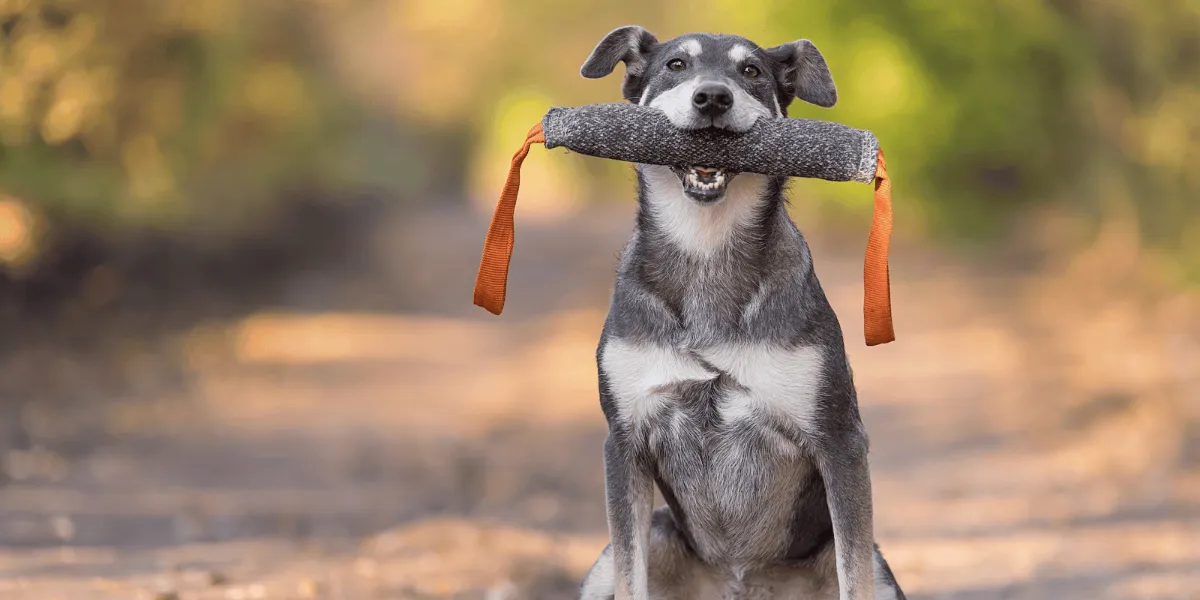
5 minutes
What Makes a Good Personal Protection Dog?
Not every dog can do protection work, and the ones that can aren’t always what people expect. Here’s what trainers look for before a dog ever starts protection training.
Want us to come to you? Ask about our Valet Board & Train — [Click Here]


Understanding your dog’s emotions is essential to building a strong, trusting relationship. At Stateline Canine, we believe that recognizing the early signs of stress in your dog helps prevent behavioral issues and supports their overall well-being. Dogs communicate primarily through body language, so knowing what to look for can make all the difference in their comfort and happiness.
Just like people, dogs can feel stressed for a variety of reasons—new environments, loud noises, changes in routine, unfamiliar people or animals, or even boredom. While some stress is normal and can be managed, chronic stress can lead to health and behavioral problems.
Dogs show stress in subtle ways. Watch for these physical signs:
Changes in your dog’s behavior can also signal stress. Look for:
A dog’s face and posture can reveal a lot about their mood. Stressed dogs may:
If you notice stress signals, stay calm and offer reassurance. Remove your dog from the stressful situation when possible, and give them space to relax. Never punish a dog for showing stress—this can make things worse. Instead, use positive reinforcement to reward calm behavior and build confidence.
If your dog’s stress is frequent, severe, or leads to aggression or self-harm, consult a professional trainer or veterinarian. At Stateline Canine, we specialize in compassionate, science-based strategies to help dogs overcome stress and thrive.
Recognizing and respecting your dog’s stress signals is one of the best ways to support their emotional health. By paying attention to their body language and behavior, you can create a safe, happy environment where your dog feels comfortable and secure.
Did you know that people travel to us with their pets from states like New York, North Carolina, and even Alaska (yes Alaska!) to experience the unparalleled world-class training services provided by Stateline Canine? Drop us a message today for a consultation!
Not every dog can do protection work, and the ones that can aren’t always what people expect. Here’s what trainers look for before a dog ever starts protection training.
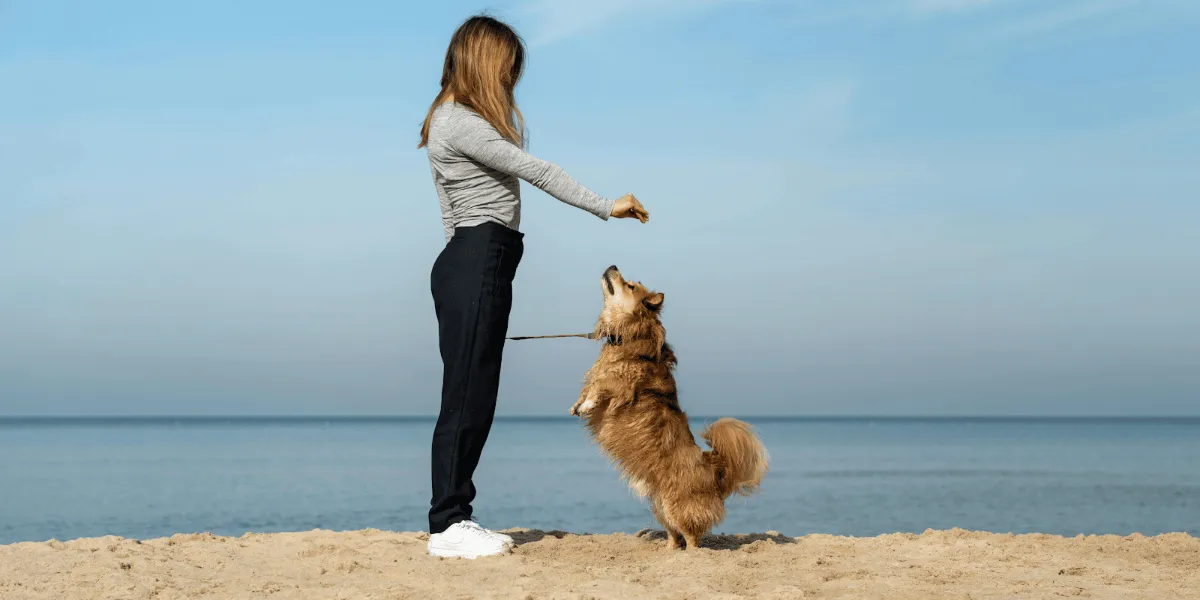
SAR dogs don’t just have good noses. They’re trained through a precise, systematic process. Here’s how scent tracking dogs learn to find people in real-world conditions.

Understanding Reactivity in Dogs If your dog lunges, barks, or acts out around other dogs, people, or new situations, you’re not alone. Reactivity is one of the most common—and misunderstood—behavior issues owners face. It’s stressful for you and your dog, and it often limits your ability to enjoy daily life together. At Stateline Canine, we […]