5 minutes
What Makes a Good Personal Protection Dog?
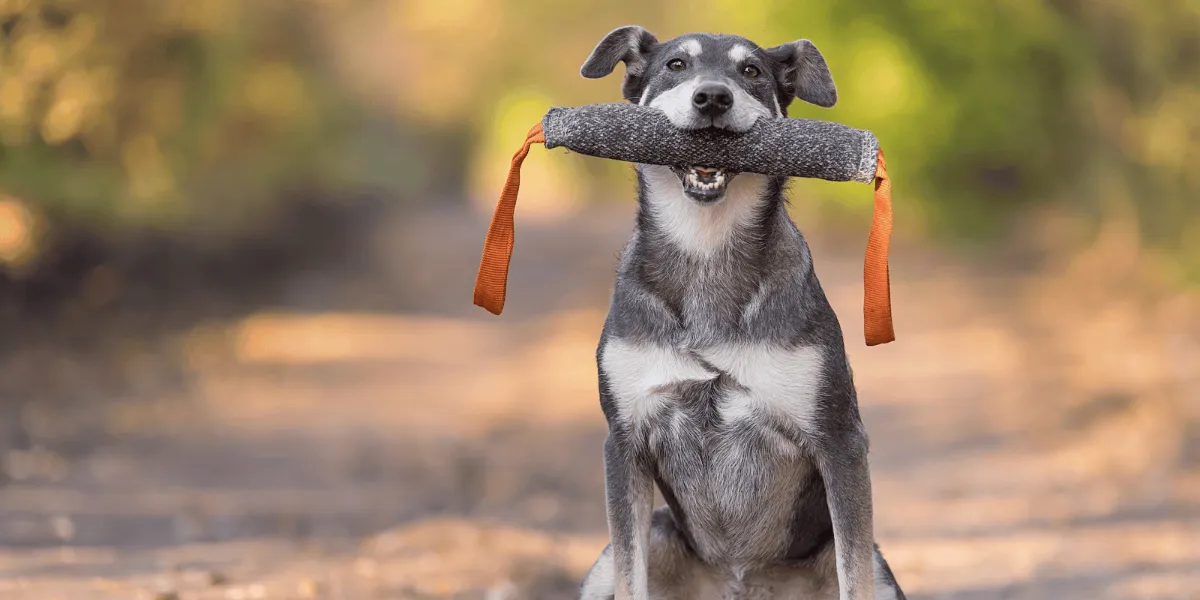
Not every dog can do protection work, and the ones that can aren’t always what people expect. Here’s what trainers look for before a dog ever starts protection training.
Want us to come to you? Ask about our Valet Board & Train — [Click Here]


Managing leash reactivity poses a challenge for pet owners dealing with their dogs’ behavior. Whether your furry friend barks, lunges or exhibits aggressive behavior while on a leash, understanding and addressing leash reactivity is crucial for a harmonious relationship between you and your canine companion. This comprehensive training guide will explore effective strategies and techniques to help you manage and reduce leash reactivity in your dog.
Leash reactivity often stems from various factors, including fear, anxiety, or a lack of socialization. When dogs sense threat or overwhelm while leashed, they may exhibit aggressive reactions. Keep in mind that dogs that are social can become reactive on the leash because of frustration with leash tension. It’s essential to recognize the signs of leash reactivity, such as barking, growling, pulling, or lunging, to address the issue effectively.
Effectively addressing leash reactivity involves employing positive reinforcement training. This method centers on rewarding desired behaviors, fostering positive associations between your dog and the leash. When your dog remains calm and composed, reward treats, praise, or toys. This positive reinforcement helps create a positive connection between your dog and the leash.
Desensitization entails systematically introducing your dog to triggering stimuli in a controlled, positive manner. Begin at a distance ensuring your dog stays calm, then gradually reduce the distance over time. This helps your dog build confidence and learn to associate the previously troubling stimuli with positive experiences. Be sure to teach loose leash walking without distractions and gradually build to include distractions when the dog shows a solid understanding of how to do it in each step.
Consistency is key when addressing leash reactivity. Establish a regular training routine that includes short, focused sessions. Consistent reinforcement and repetition will help reinforce positive behaviors and create lasting results. Patience is crucial during the training process, as changing ingrained behaviors takes time and dedication.
If managing leash reactivity proves challenging, seeking assistance from a certified dog trainer or behaviorist is a wise choice. These professionals can evaluate your dog’s behavior, customize a training plan to your needs, and offer hands-on guidance for success.
A well-exercised dog is usually well-behaved. Consistent physical activity and mental stimulation can minimize excess energy and diminish leash reactivity. Include interactive play, training in obedience, and puzzle toys in your routine to keep your dog mentally stimulated and in good physical shape.
Addressing leash reactivity requires patience, consistency, and a positive approach to training. Understanding your dog’s reactivity and applying the strategies in this guide fosters a more enjoyable walking experience, promoting relaxation for both you and your furry companion. Remember, every dog is unique, so adapt these techniques to suit your dog’s individual needs and personality. With dedication and positive reinforcement, you can overcome leash reactivity and strengthen the bond between you and your canine companion.
Not every dog can do protection work, and the ones that can aren’t always what people expect. Here’s what trainers look for before a dog ever starts protection training.
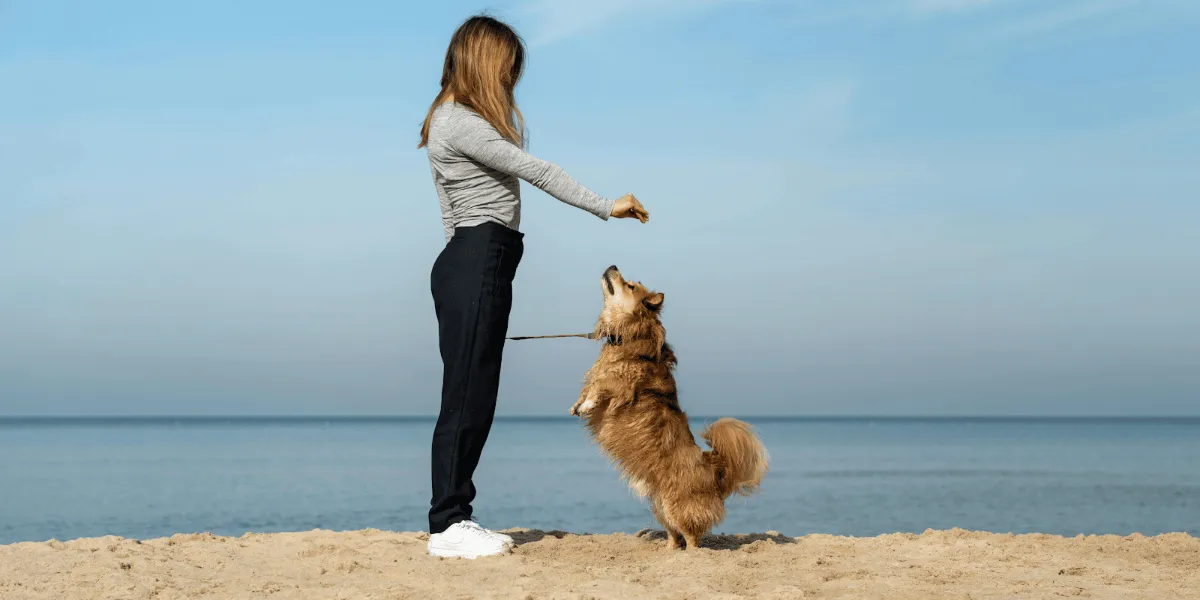
SAR dogs don’t just have good noses. They’re trained through a precise, systematic process. Here’s how scent tracking dogs learn to find people in real-world conditions.

Understanding Reactivity in Dogs If your dog lunges, barks, or acts out around other dogs, people, or new situations, you’re not alone. Reactivity is one of the most common—and misunderstood—behavior issues owners face. It’s stressful for you and your dog, and it often limits your ability to enjoy daily life together. At Stateline Canine, we […]