5 minutes
What Makes a Good Personal Protection Dog?
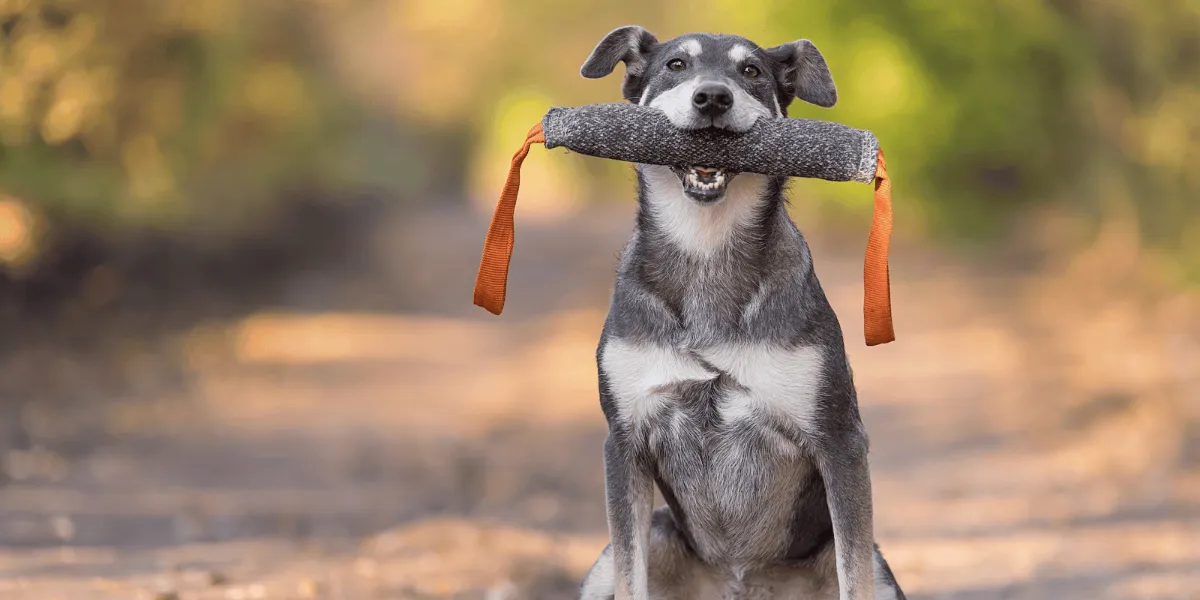
Not every dog can do protection work, and the ones that can aren’t always what people expect. Here’s what trainers look for before a dog ever starts protection training.
Want us to come to you? Ask about our Valet Board & Train — [Click Here]


Dog training works best when your dog feels safe, understood, and motivated to participate. At Stateline Canine, our philosophy is built around understanding each dog’s individual temperament and creating a plan using scientific, motivational methods that support low-stress learning. The goal isn’t just to teach commands in a quiet room. It’s to build reliable behavior that holds up in real life.
Motivational dog training focuses on helping the dog want to do the right thing. Instead of relying on pressure or intimidation, training uses clear communication, rewards, and structured repetition to guide the dog toward success. Rewards can include food, toys, praise, play, or access to something the dog enjoys. Over time, the dog learns that good choices lead to good outcomes.
This approach is especially effective because it strengthens the relationship between dog and handler. When your dog trusts the process, learning becomes faster, cleaner, and more consistent.
Stress changes how dogs think and respond. A stressed dog may shut down, avoid engagement, or react impulsively. Low-stress learning keeps the dog in a mental state where they can absorb information, try new behaviors, and recover quickly from mistakes.
When training is low-stress, dogs tend to:
That reliability matters most when distractions are high: guests at the door, other dogs on walks, new environments, or busy family schedules.
One of our favorite rules of training is to set the dog up for success. That means we don’t ask for difficult behaviors too soon. We build skills in layers.
For example, a dog might learn “sit” in a calm setting first. Then we gradually add distance, duration, and distractions. This is how training becomes generalized, so your dog understands how to perform under all conditions, not just at home.
Motivational, low-stress methods can be applied across multiple training paths, depending on your dog’s needs and your lifestyle. Some families prefer a hands-on approach through private lessons. Others choose to board and train for consistent, structured work, especially when schedules are complicated or when they need boarding due to travel. Day training and hybrid options can also provide a strong balance of professional training and owner involvement.
No matter the format, the best results come from a plan that matches the dog in front of us.
Reliable behavior isn’t built through force. It’s built through clarity, consistency, and a training process your dog can succeed in. Motivational dog training keeps learning productive and low-stress, so skills become real-world habits you can count on.
Not every dog can do protection work, and the ones that can aren’t always what people expect. Here’s what trainers look for before a dog ever starts protection training.
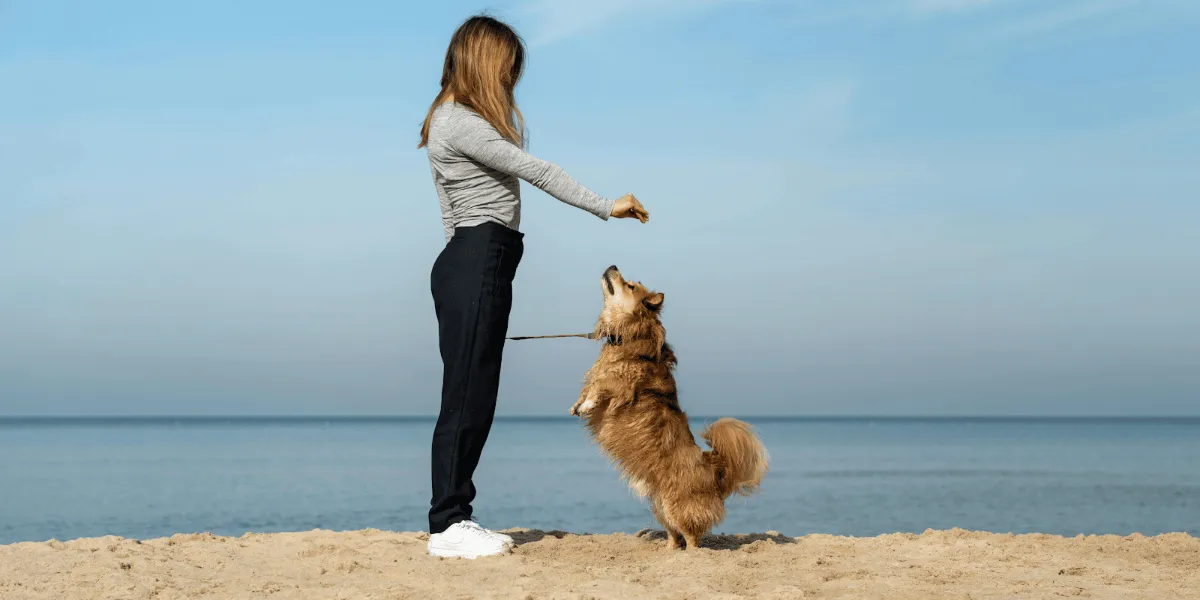
SAR dogs don’t just have good noses. They’re trained through a precise, systematic process. Here’s how scent tracking dogs learn to find people in real-world conditions.

Understanding Reactivity in Dogs If your dog lunges, barks, or acts out around other dogs, people, or new situations, you’re not alone. Reactivity is one of the most common—and misunderstood—behavior issues owners face. It’s stressful for you and your dog, and it often limits your ability to enjoy daily life together. At Stateline Canine, we […]