5 minutes
What Makes a Good Personal Protection Dog?
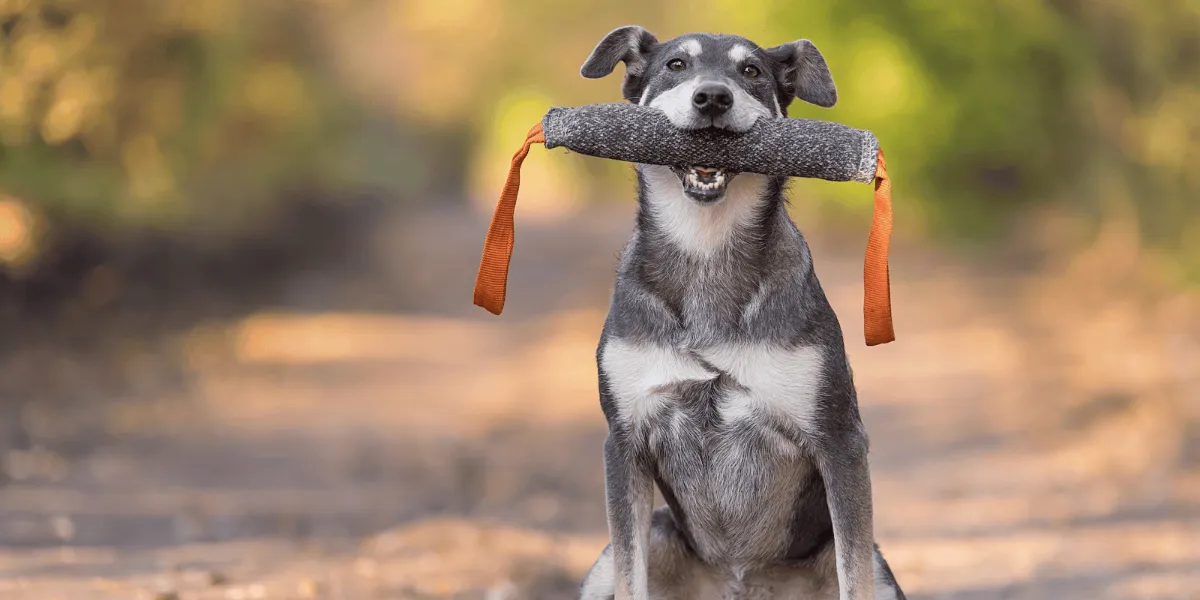
Not every dog can do protection work, and the ones that can aren’t always what people expect. Here’s what trainers look for before a dog ever starts protection training.
Want us to come to you? Ask about our Valet Board & Train — [Click Here]


Resource guarding is a common behavior exhibited by dogs, characterized by aggressive or defensive actions like growling, snapping, or biting when they feel their possessions are threatened. These possessions could be anything from food, toys, spaces, and even people. Understanding why resource guarding happens and how to manage it effectively is crucial for maintaining a harmonious and safe environment both for pets and their owners.
Resource guarding is essentially an instinctual response. In the wild, the ability to guard and protect resources such as food could determine survival. While domestic dogs are not fighting for survival in the same way, the instinct can still manifest. Moreover, experiences in a dog’s early life can influence this behavior. For example, a puppy that had to compete with littermates for food might be more prone to resource guarding as an adult.
Personality also plays a role; some breeds or individual dogs may have a higher propensity towards possessiveness. Additionally, the behavior can stem from a lack of trust or security in their environment. If a dog feels that their resources are always at risk of being taken away, they may start showing guarding behavior as a preemptive defense mechanism.
Recognizing the signs of resource guarding is the first step toward addressing it. Signs may include a dog stiffening up, growling, showing teeth, lunging, or snapping when someone approaches their food or a favorite spot on the couch. These behaviors can occur towards other animals or humans, including familiar family members.
The goal in managing resource guarding is to teach the dog that the approach of a human to their resource is a positive thing, not a threat. Here are some strategies:
Like any behavioral issue, consistency is key in managing resource guarding. Regular training sessions, consistent rules, and ongoing positive reinforcement are essential. Owners should approach the situation with patience and empathy, understanding that change does not happen overnight.
By understanding the underlying causes of resource guarding and implementing thoughtful, consistent training strategies, most dogs can overcome this behavior, leading to safer and more enjoyable interactions with their possessions and their human families.
Did you know that people travel to us with their pets from states like New York, North Carolina, and even Alaska (yes Alaska!) to experience the unparalleled world-class training services provided by Stateline Canine? Drop us a message today for a consultation!
Not every dog can do protection work, and the ones that can aren’t always what people expect. Here’s what trainers look for before a dog ever starts protection training.
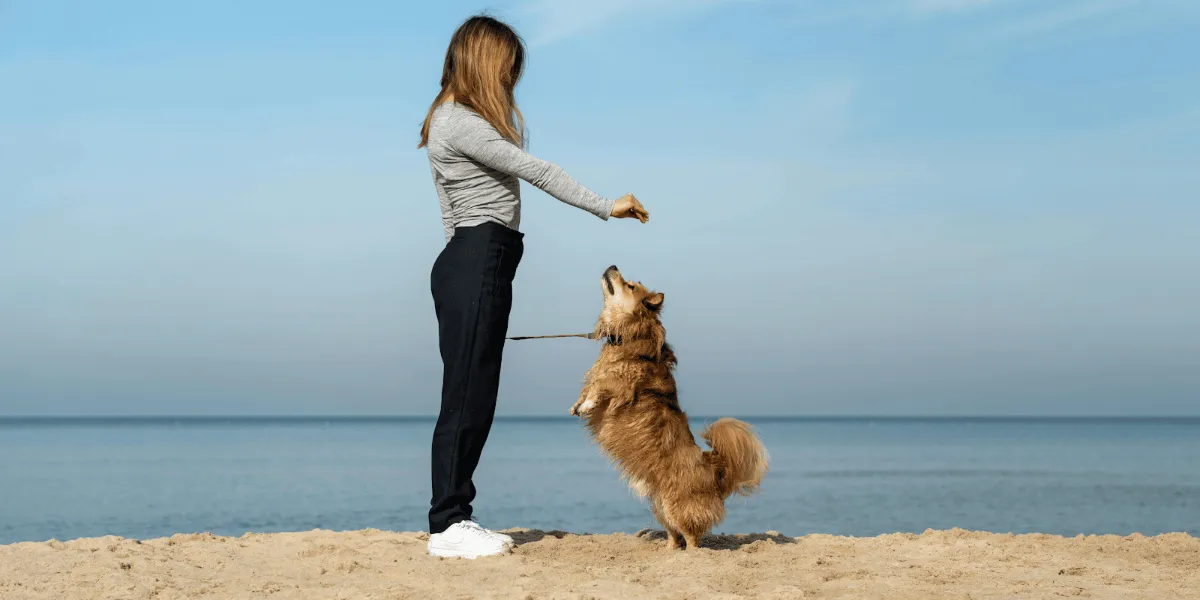
SAR dogs don’t just have good noses. They’re trained through a precise, systematic process. Here’s how scent tracking dogs learn to find people in real-world conditions.

Understanding Reactivity in Dogs If your dog lunges, barks, or acts out around other dogs, people, or new situations, you’re not alone. Reactivity is one of the most common—and misunderstood—behavior issues owners face. It’s stressful for you and your dog, and it often limits your ability to enjoy daily life together. At Stateline Canine, we […]